At Lawyers for Nature, we envision a future where Nature is recognised for its intrinsic value, given the respect it deserves, and safeguarded by the legal protections it needs to thrive. We strive to reimagine and reshape legal systems so that Nature is given legal rights and a voice in critical decision-making processes.
We have worked with a number of corporations to help them put Nature on the Board, such as Faith in Nature and House of Hackney, and have recently been working with third sector organisations. Our collaboration with FutureEverything represents an exciting example of this work which demonstrates how you can redesign governance across a Community Interest Company, so that Nature has a seat at the board table and is embedded into the decision-making fibres of the entire organisation. Our hope is that it inspires other CICs to explore this form of governance.
Why FutureEverything Decided to Do This
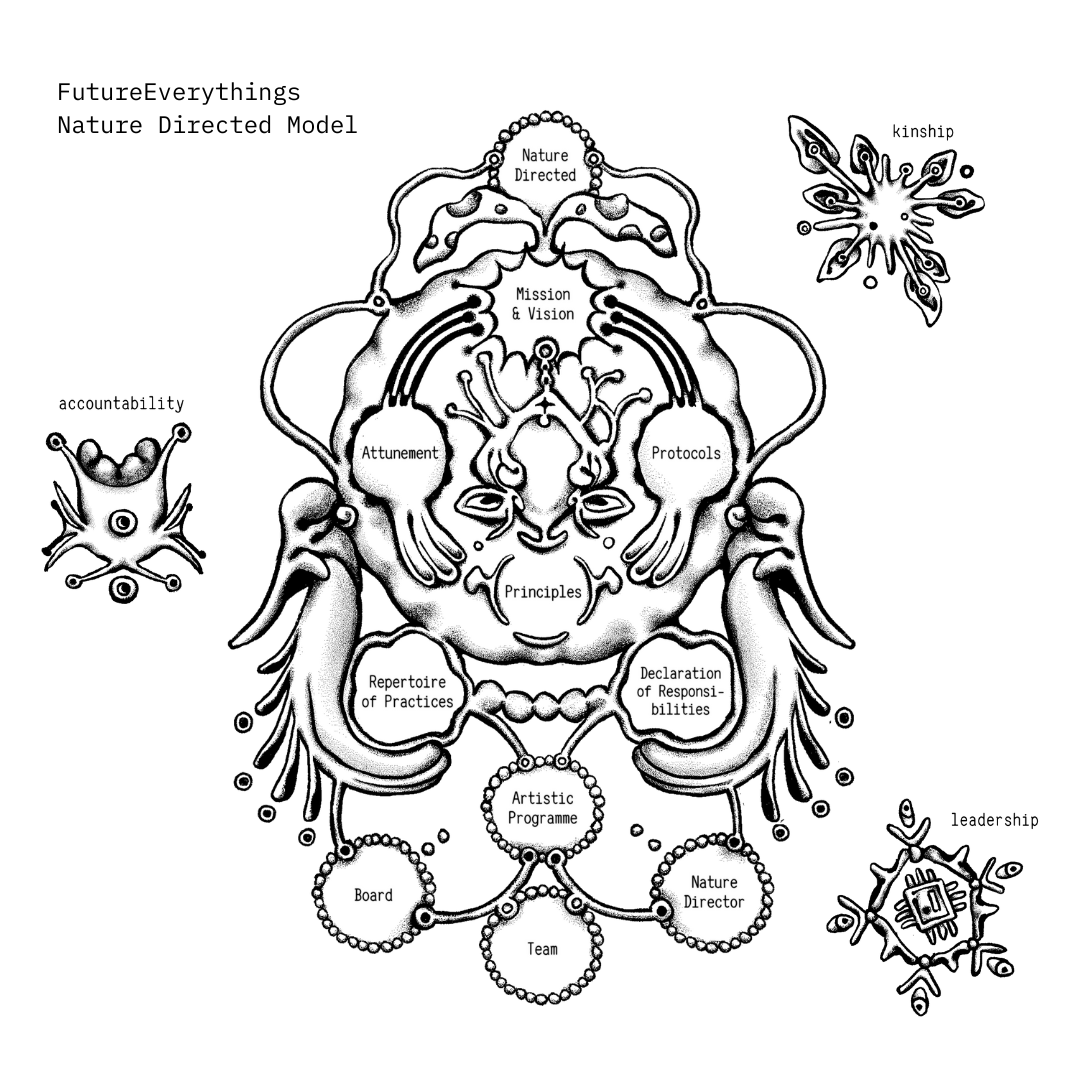
FutureEverything, a UK-based arts, technology and innovation organisation, has long been interested in questions about the relationships between humans, technology, culture and the environment. They decided to appoint Nature as a director on their Board to embed responsibility for Nature in how they operate, and explore how this can be disseminated throughout their organisation. Uniquely, their model brings addresses of tech justice and the role technology can play in multispecies justice. This change gives Nature a formal role in their governance with voting rights, influence over strategy, programming, operations and their day-to-day decision making. Crucially, their model includes a range of practices and protocols to both attune and re-embed in Nature and to practically adapt their operations and artistic methodologies.
The Process: How Lawyers for Nature Supported Them
Here is a walkthrough of how we worked together with FutureEverything to make that change, step by step:
1. Initial Conversations & Scoping
Lawyers for Nature were brought into early discussions with FutureEverything. We examined what it means in practice to give Nature representation on a board, we guided them on the processes, values and criteria for good decisions by them for Nature and for the future. Areas we covered included: what the legal implications are; what kinds of models are possible (for example, Nature represented by human guardians, rotating representation, what ‘voice’ and ‘vote’ mean in legal terms); what constitutional or internal policy documents need to be changed (e.g., articles of association or company policies etc.); and what values and benchmarks the organisation wants to hold itself to.
2. Engaging the Board & Presentations
After the initial scoping, we presented to FutureEverything’s existing board, setting out comparative case studies, frameworks, potential models, possible challenges (for example balancing decisions of financial sustainability and ecological responsibility), and exploring how Nature on the Board could link with their artistic and operational programme. These sessions helped test enthusiasm, clarify what kinds of changes would be involved, and ensure alignment with their mission.
3. Working Groups
FutureEverything convened a Working Group composed of Nature lawyers, researchers in multispecies justice, artists, technologists, funders, Indigenous knowledge holders, and other wonderful individuals who brought specialist knowledge. Lawyers for Nature were part of that Working Group. Over multiple workshops, we discussed topics like:
4. In-Person Creative Day & Implementation Options
In Manchester, we joined FutureEverything at their offices for a creative, face-to-face workshop day. Together we laid out various implementation options: different governance models, how to embed Nature in decision-making, what reporting and accountability mechanisms would look like, what changes to governing documents would be required, how to institute protocols for listening to Nature, and more. Through collaborative design, we co-created a position profile and job description for the Nature Director role: what responsibilities, what commitments, how Nature would be represented (via a human representative or guardian), what voting and strategic influence it would have, and what benchmarks and timelines for review.
5. Organisational Change
Based on those co-design sessions, we helped with the organisational shift by talking through the changes to FutureEverything’s constitution; defining what Nature’s voice and vote would cover; ensuring that the role is embedded across operations and programming, not just symbolic; such as thinking about defining benchmarks (3-5 year goals) for how the organisation would shift its programme, decision-making and attention to reduce ecological harm and move toward restoration.
6. Implementation
We introduced our law firm partner Bates Wells to FutureEverything to support them on identifying the proposed changes necessary to their Articles of Association, to present these to the membership of the CIC for approval and to register the changes with Companies House.
Outcomes
Why Nature Representation now, why is it important for us all?
“With almost 30 years experience as a creative think tank at the cutting edge of art and technology, it’s FutureEverything’s business to invent the future; now, we want Nature to reinvent us. So, we are putting Nature on our Board to transform the way we think, work, and grow so that, over time, everything we do reduces ecological degradation and strives towards restoration. - FutureEverything
Lawyers for Nature have created a Nature Representation Pathway to act as a guide for appointing Nature to the Board of a CIC, you can access this guide here.
If you are working in business or the third sector and would like to discuss ways we can help you to embed the voice of Nature into your organisation, please get in touch with us at Lawyers for Nature by emailing operations@lawyersfornature.com.
.svg)
Share


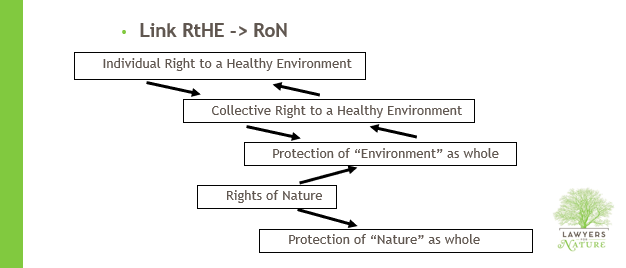
Last month, we submitted a response to the Scottish Government’s consultation on ‘A Human Rights Bill for Scotland' to emphasise the importance of taking an ecological approach to the Right to a Healthy Environment, and to highlight the role that Rights of Nature can have in realising this.