

It felt very special to weave together powerful campaigns, community-led solutions, water meditation, song and ideas generation around system and consciousness shift at the #LCAW2023 event, "A Circle of Perspectives towards restorative and multispecies justice", organised and facilitated by Louise Romain (Circle of Voices), on behalf of the Global Alliance for the Rights of Nature with the participation of speakers from War on Want, PRALER (Planet Repairs Action Learning Educational Revolution). The event was also intended as a fundraising opportunity to actively practice wealth redistribution and direct financial support for frontline communities.
If you would like to read a transcribed excerpt of my contribution to the discussion, you can find it as a freely accessible (no login required) Google Doc here or if you prefer via Clickup, here. You can freely access the whole audio version of the event here and my audio contribution, from which the transcript is derived, here.
It was especially joyful to work with Louise, who is an anthropologist & campaigner, by participating in her work to connect with lands, waterways and peoples impacted by the fossil fuels, logging and mining industries, as she records sounds and stories of resistance and resilience, in times of collapse and crisis. Below is a short preview of some of the beautiful and profound content that can be found on her Spotify show, with expanded content available on her SoundCloud.
At Lawyers for Nature, we welcome all cross-disciplinary cultural, artistic, anthropological, socio-political and commercial perspectives that raise awareness of our common values of interconnectedness and responsibility to the natural world. Offering a voice to the voiceless within nature extends beyond the UK jurisdiction in which we operate, to a global network of likeminded organisations of which we are very proud to be a part. If you are interested in working with us, please reach out.
.svg)
Share


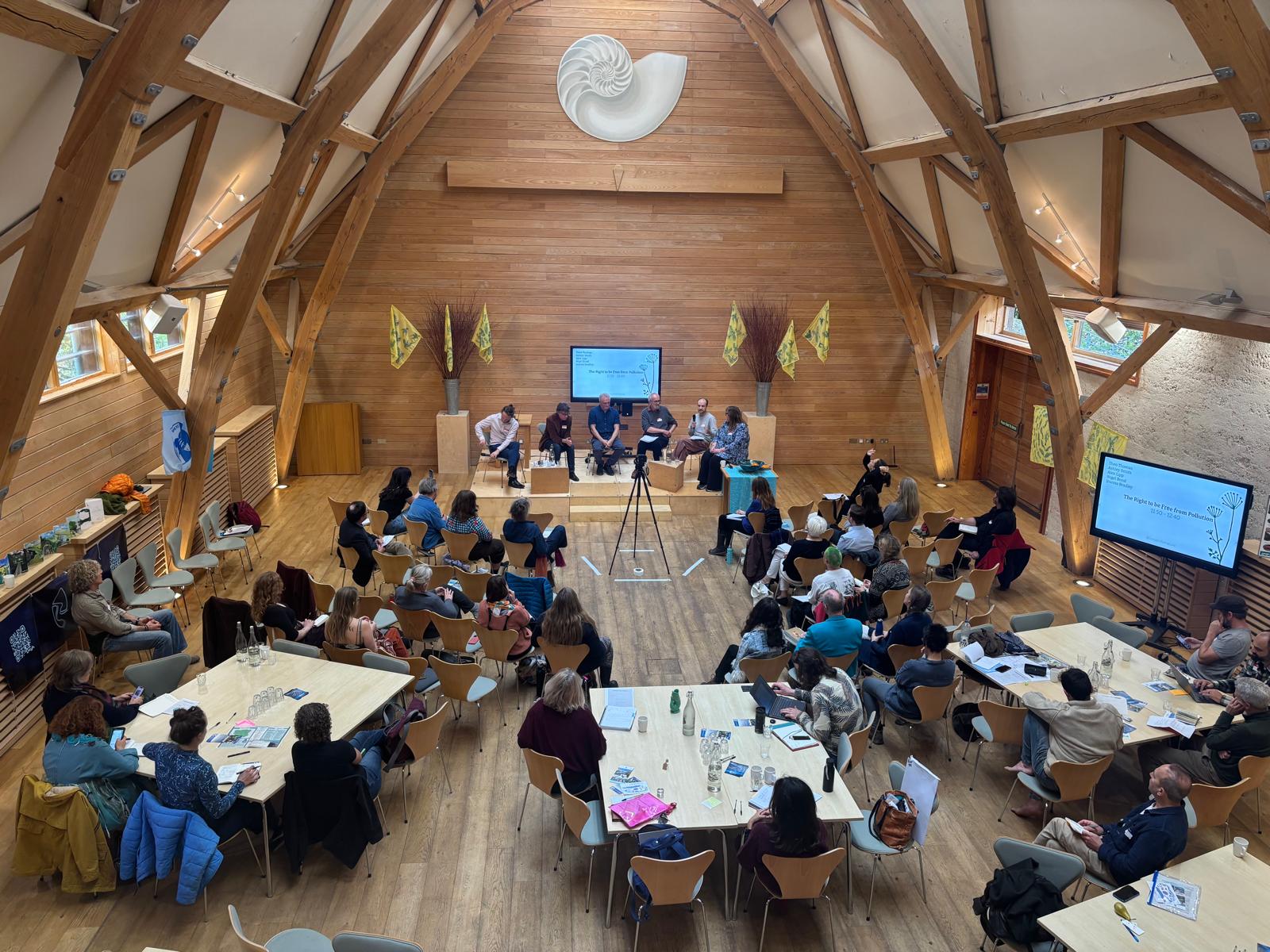
The UK's rivers are in crisis. That much is now widely accepted, and the sewage debate of the past few years has put it firmly in public view. What is less often said is that rivers have no voice at all in the decisions that determine their condition. Those decisions are made in rooms full of professionals, such as regulators, water companies, planners, consultants, all speaking a technical language, in working hours, to each other. It is a serious conversation conducted by serious people, and the river itself is absent from it.

